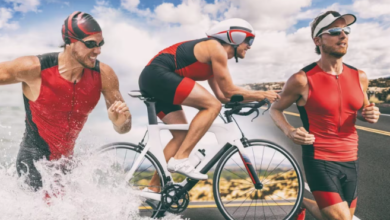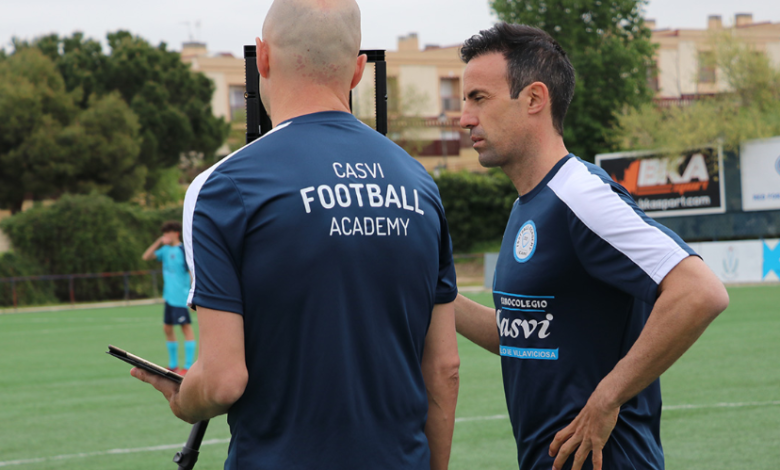
Entrenamiento deportivo is more than just physical exercise; it is a structured approach to improving athletic performance, endurance, and overall fitness. Whether you are a professional athlete or a recreational sports enthusiast, understanding the principles of entrenamiento deportivo can significantly enhance your results and prevent injuries.
What is Entrenamiento Deportivo?
Entrenamiento deportivo refers to the systematic process of preparing the body and mind for sports performance. It combines physical conditioning, skill development, and mental preparation to optimize an athlete’s abilities. This type of training is tailored to the specific demands of each sport, ensuring that the athlete performs at their best during competitions or practice sessions.
Key elements of entrenamiento deportivo include:
- Strength Training: Builds muscle power and endurance essential for sports performance.
- Cardiovascular Conditioning: Enhances stamina and reduces fatigue during prolonged activity.
- Flexibility and Mobility: Improves range of motion and reduces the risk of injuries.
- Sport-Specific Drills: Focuses on the technical skills required for each sport.
- Mental Training: Enhances focus, motivation, and resilience under pressure.
Benefits of Entrenamiento Deportivo
Engaging in consistent entrenamiento deportivo provides numerous advantages:
- Improved Physical Fitness: Athletes gain strength, endurance, and agility.
- Injury Prevention: Proper techniques and conditioning reduce the likelihood of sports-related injuries.
- Enhanced Performance: Targeted exercises improve skills specific to each sport.
- Mental Toughness: Athletes develop confidence, discipline, and concentration.
- Better Recovery: Structured training allows the body to adapt and recover efficiently.
How to Create an Effective Entrenamiento Deportivo Plan
Designing an effective entrenamiento deportivo plan requires careful planning and consistency. Here are some essential steps:
- Assessment: Evaluate your current fitness level, strengths, and weaknesses.
- Goal Setting: Define clear, measurable objectives, such as increasing speed, strength, or skill level.
- Training Schedule: Develop a weekly plan combining strength, endurance, flexibility, and skill work.
- Progressive Overload: Gradually increase intensity and complexity to avoid plateaus.
- Recovery and Nutrition: Ensure adequate rest, hydration, and balanced nutrition to support training.
- Monitoring: Track performance improvements and adjust the plan as needed.
See also: The Ultimate Guide to as ciclismo: Benefits, Techniques & Pro Strategies
Common Mistakes in Entrenamiento Deportivo
Even experienced athletes can make mistakes in entrenamiento deportivo that hinder progress:
- Skipping warm-ups and cool-downs, increasing injury risk.
- Focusing only on one aspect, like strength, while neglecting endurance or flexibility.
- Overtraining without adequate recovery, leading to fatigue or burnout.
- Ignoring mental preparation and visualization techniques.
FAQs about Entrenamiento Deportivo
Q1: Can beginners start entrenamiento deportivo?
Yes, beginners can start by focusing on basic conditioning, proper techniques, and gradual progression. Professional guidance can help prevent injuries.
Q2: How often should I practice entrenamiento deportivo?
Most athletes train 4–6 times per week, but the schedule depends on goals, sport type, and recovery needs.
Q3: Is nutrition important for entrenamiento deportivo?
Absolutely. Balanced nutrition provides energy, supports muscle growth, and aids recovery.
Q4: Can entrenamiento deportivo help prevent injuries?
Yes, a well-structured program improves strength, flexibility, and technique, reducing injury risks.
Q5: How long does it take to see results from entrenamiento deportivo?
Visible results can appear in 4–8 weeks, depending on consistency, intensity, and individual fitness levels.
Conclusion
Entrenamiento deportivo is the foundation of athletic success. By combining physical conditioning, skill development, and mental preparation, athletes can maximize their performance while minimizing the risk of injury. Whether you are training for competition or personal fitness, a structured entrenamiento deportivo plan ensures steady progress and long-term benefits. Focus, consistency, and proper guidance are key to unlocking your full potential.